Stories, places and traditions that shaped our island.
ANCIENT HERITAGE
Kodey Haviththa
Echoes of an ancient past.
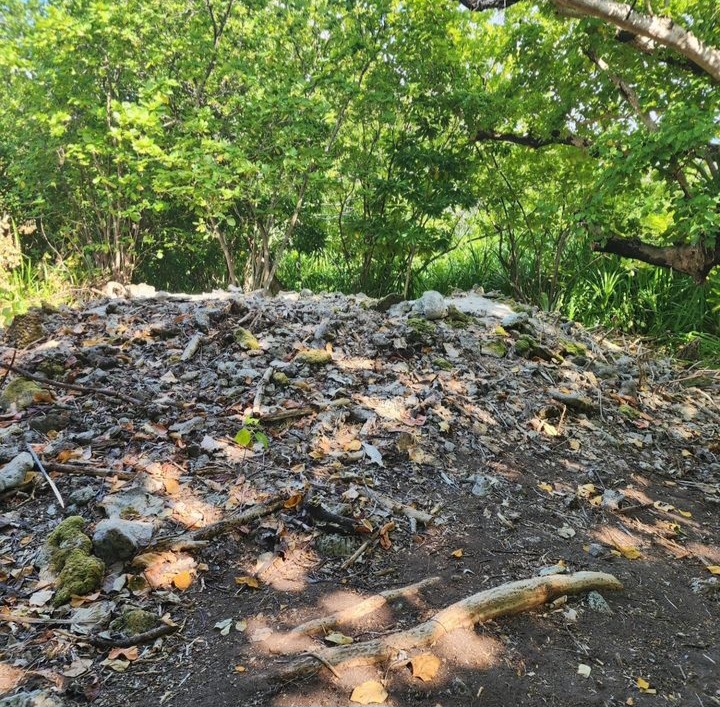
Located on the eastern side of Ga. Kondey, Kodey Haviththa is a significant archaeological site identified as the remains of a ruined stupa, a type of Buddhist monument.
The structure measures approximately 47 feet (14 metres) square and stands around 4 feet (1.2 metres) high. Its scale suggests that it may once have served as an important place of worship or memorial.
Situated approximately 800 feet (240 metres) from the shore, Kodey Haviththa offers a glimpse into the ancient cultural landscape of Kondey.
The site provides an important connection to the Buddhist influence in the Maldives before the widespread adoption of Islam, while another stupa reported to the south of the island further highlights the archaeological richness of the area.
47 FT
Approx. Structure Size
4 FT
Approx. Height
800 FT
From the Shore
ISLAND LIFE
Kondey Vevu
A place where island life comes together.
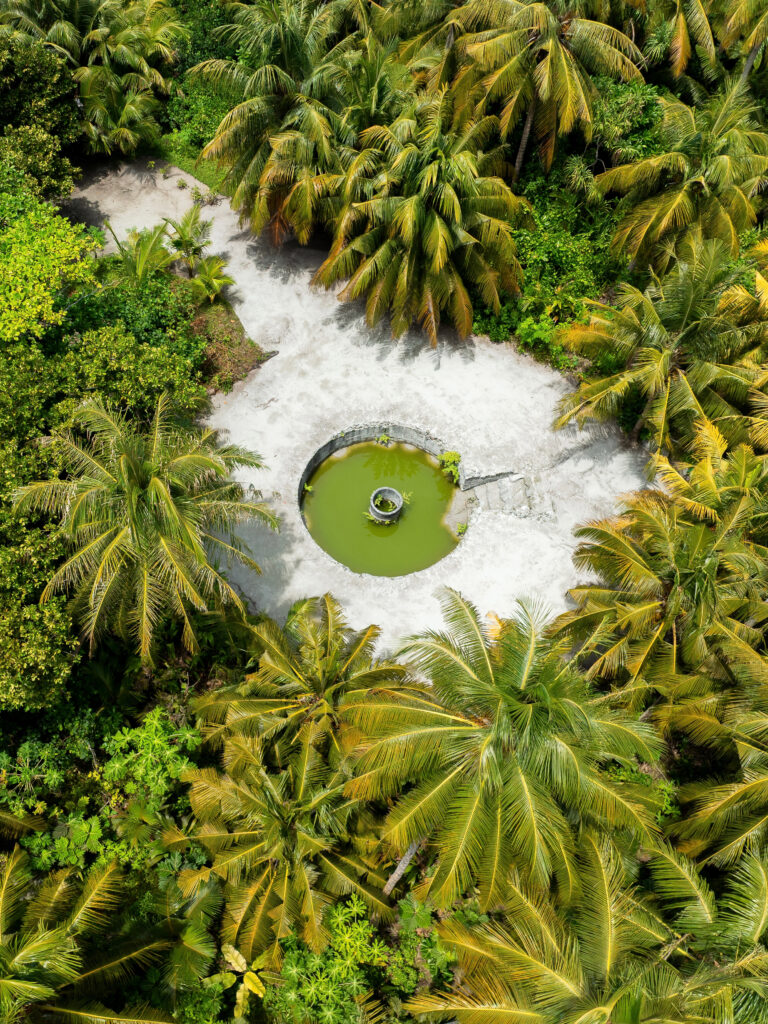
Vevu is a traditional man-made water feature found in Maldivian island communities, including Ga. Kondey. Beyond its practical uses, it has been part of island life as a place for recreation, gathering and community connection.
In Kondey, the Vevu reflects the close relationship between the island’s people, water and everyday traditions. It offers a glimpse into a quieter side of island life, where simple spaces become places for people to meet, relax and share time together.
Its presence is part of the cultural character of Kondey and adds another layer to the story of the island’s heritage.
Kondey Vevu — a traditional part of island life
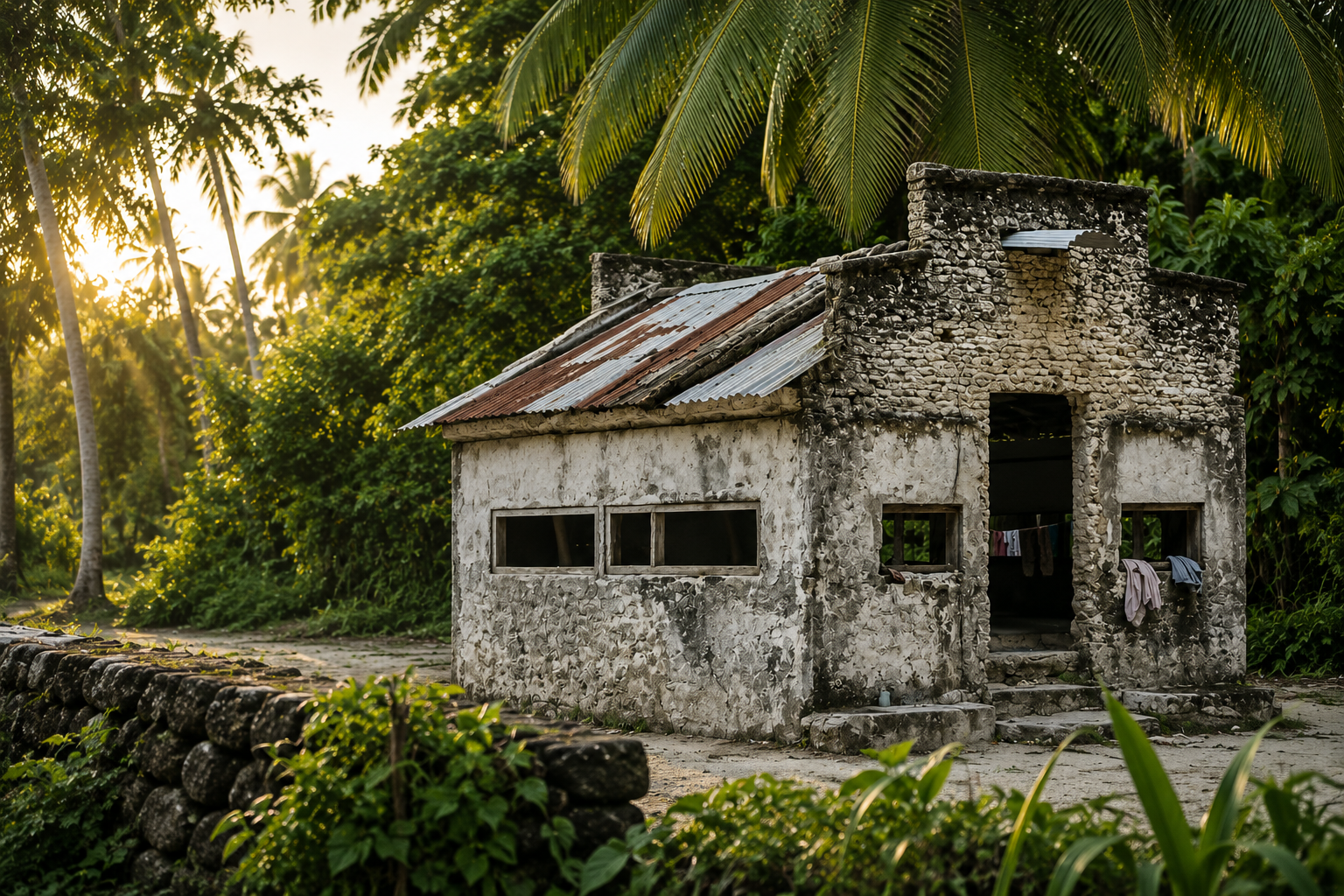
Kondey Old Mosque — a historic place of worship
ISLAND CRAFTSMANSHIP
Kondey Old Mosque
Kondey Old Mosque is believed to have been built by two master carpenters, Ali Maavadi Kaleyfaanu and Mahmud Maavadi Kaleyfaanu, who worked on Malé Hukuru Miskiy.
According to local history, the mosque was constructed using leftover coral stone and timber from that work. It is believed to date to the reign of Sultan Ibrahim Iskandhar I (1648–1687).
The present mosque has since been rebuilt and extensively remodelled, while retaining elements of traditional Maldivian construction. Its simple prayer hall and open entrance reflect the understated character of island mosques, built with coral stone, cement plaster and traditional timber carpentry.
The surrounding cemetery has suffered damage over time, with few coral grave markers remaining in their original positions. Some surviving markers, however, display high-quality traditional carvings, offering a glimpse into the craftsmanship of an earlier era.
MALDIVIAN CRAFTSMANSHIP
Male' Hukuru Miskiy
A legacy of craftsmanship connected to Kondey.
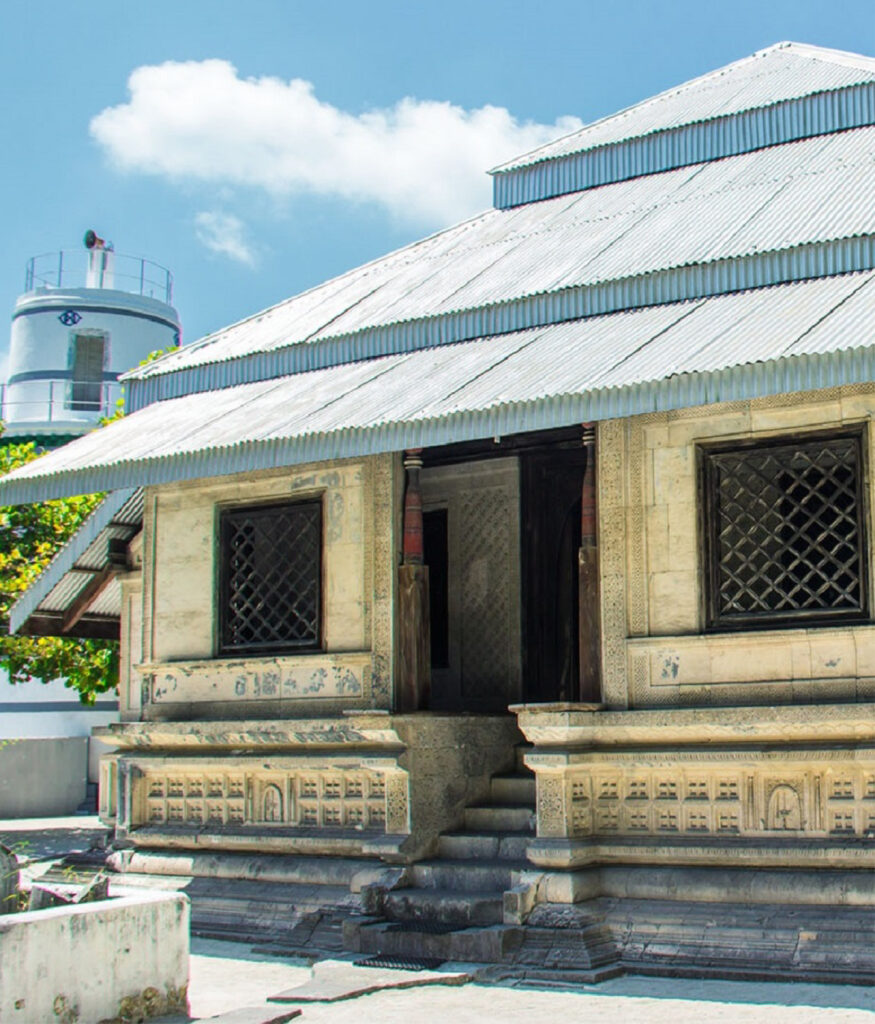
Malé Hukuru Miskiy, also known as the Old Friday Mosque, is one of the oldest and most significant mosques in the Maldives. Originally built in 1153 and later reconstructed in 1658, it is renowned for its intricate coral-stone carvings and distinctive traditional architecture.
The craftsmanship associated with Hukuru Miskiy is also connected to Ga. Kondey, where master carpenters are believed to have played an important role in its design and construction. Their skills reflect the remarkable craftsmanship that island communities contributed to Maldivian architecture.
The use of coral stone, combined with traditional woodworking techniques, represents an important part of the Maldives’ architectural heritage. The story of Hukuru Miskiy therefore reaches beyond Malé, connecting the capital’s historic mosque with the knowledge and craftsmanship of islands such as Kondey.
Malé Hukuru Miskiy — a masterpiece of Maldivian coral-stone craftsmanship
“From Kondey to Malé — a legacy carved in coral stone.” ✦
HISTORICAL KONDEY
Memories of Our Island
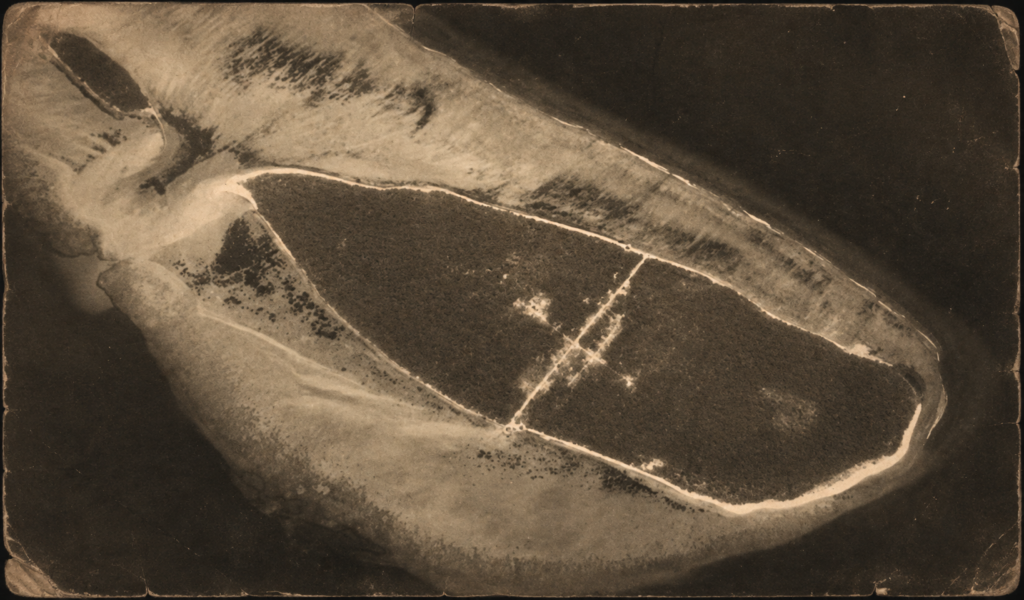
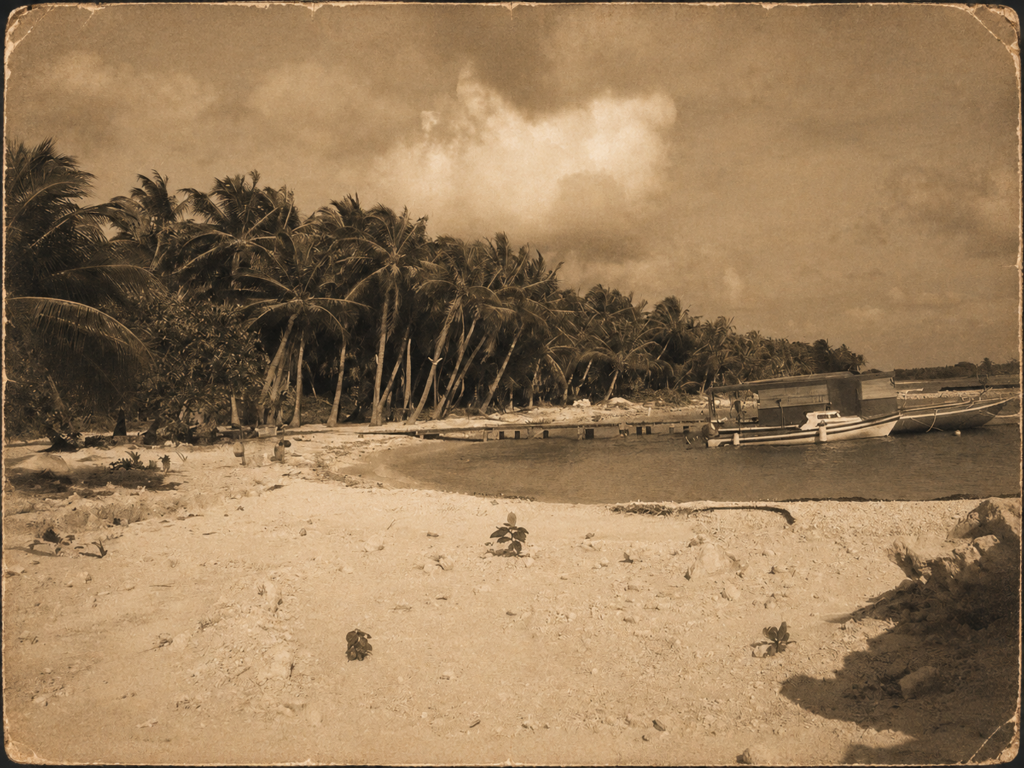
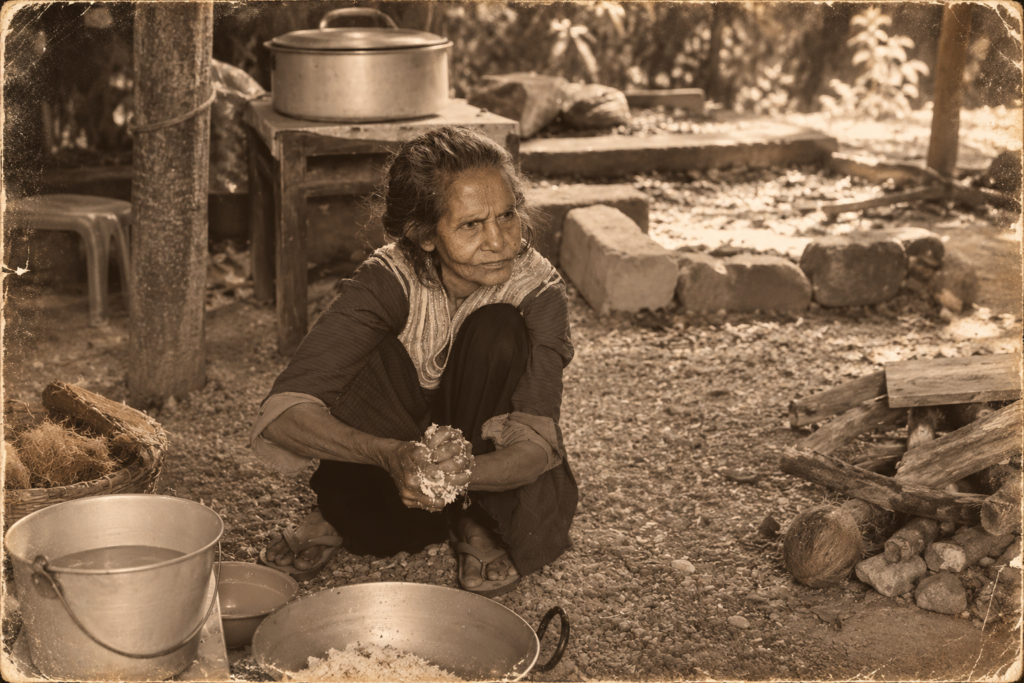
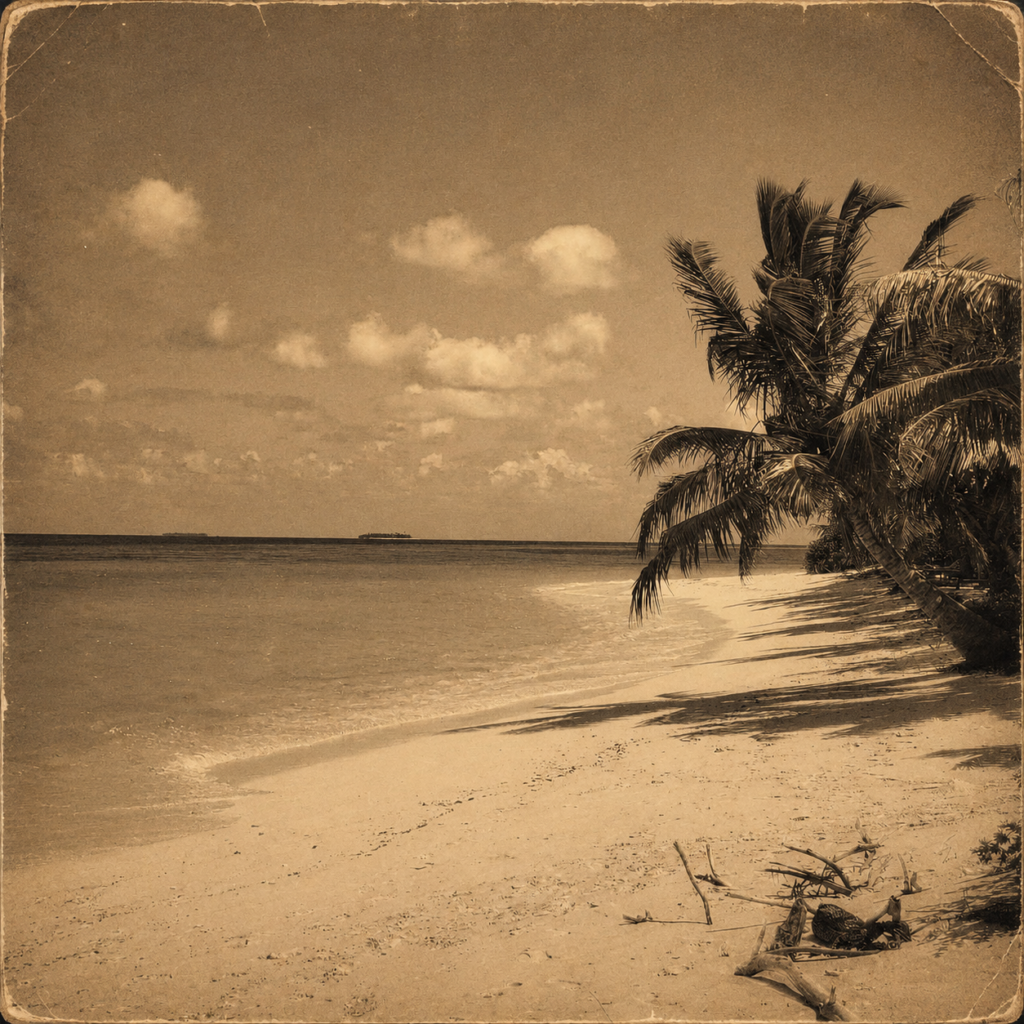
A glimpse into Kondey’s past through photographs and memories.